
*This post may contain affiliate links, from which we may earn a small commission at no extra cost to you.*
Gardening should be relaxing—not painful. If arthritis makes gripping, cutting, or digging uncomfortable, the right ergonomic gardening tools can make all the difference.
This guide focuses exclusively on arthritis-friendly gardening tools designed to reduce strain on your hands, wrists, knees, and shoulders. With the right equipment, you can garden longer, more comfortably, and with confidence.
Why Standard Gardening Tools Can Worsen Arthritis Pain
Traditional garden tools often require:
- Tight gripping
- Repetitive squeezing
- Awkward wrist angles
- Excessive force
For people with arthritis, this can trigger flare-ups, fatigue, and loss of hand strength. Ergonomic tools are designed to reduce joint stress by improving leverage, grip comfort, and body alignment.
What Makes a Gardening Tool Arthritis-Friendly?
When shopping for ergonomic gardening tools, look for these features:
- Padded, non-slip handles to reduce grip pressure
- Angled or curved handles that keep wrists in a neutral position
- Lightweight materials to prevent fatigue
- Spring-assisted or ratcheting mechanisms to reduce hand force
- Extended handles to limit bending and kneeling
These design details add up to meaningful pain reduction.
Best Ergonomic Gardening Tools for Arthritic Hands
1. Ergonomic Pruners & Shears
Pruning can be especially hard on arthritic hands. Ergonomic pruners are designed to minimize squeezing and wrist strain.
Look for:
- Rotating or rolling handles
- Easy-squeeze spring mechanisms
- Cushioned grips
Best for: Hand arthritis, finger stiffness, reduced grip strength

Ultra Sharp Pruning Shears – Cuts 3X Easier, Weak Hand Arthritis Snips
See our recommended ergonomic pruners for arthritis2. Ergonomic Trowels & Cultivators
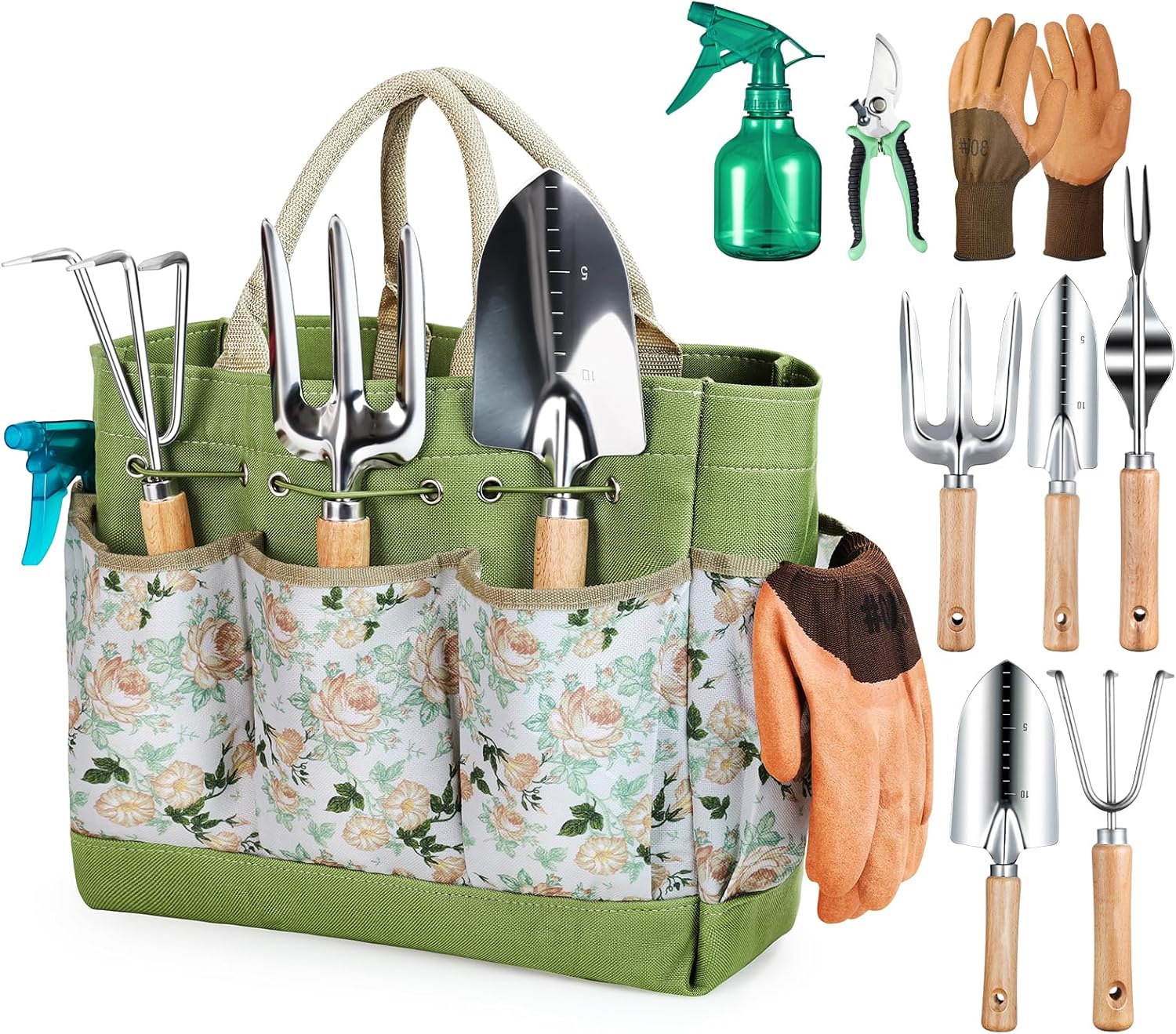
Digging and planting are far more comfortable with tools that keep your wrist aligned naturally.
Look for:
- Curved or vertical handles
- Non-slip, padded grips
- Lightweight aluminum or composite materials
Best for: Wrist arthritis, carpal tunnel overlap, forearm pain
3. Long-Handled Gardening Tools
Long-handled tools allow you to work without bending or kneeling—protecting knees, hips, and lower back.
Common options include:
- Long-handled weeders
- Extended rakes and hoes
- Adjustable-length tools
Best for: Knee arthritis, hip pain, balance concerns

Must-Have Support Tools for Comfortable Gardening
Garden Kneelers & Seats
These provide cushioned support and assist with standing up.
Choose models that:
- Include side handles for leverage
- Convert between kneeler and seat
- Fold for easy storage
Best for: Knee pain, limited mobility, fatigue

Padded Gardening Gloves
Arthritis-friendly gloves protect hands from pressure and vibration.
Look for:
- Gel or foam padding
- Flexible materials
- Textured grip surfaces
Best for: Hand pain, joint swelling, sensitive skin

Rolling Garden Carts
Carrying tools and soil can strain wrists and shoulders. Rolling carts reduce lifting entirely.
Benefits include:
- Fewer trips back and forth
- Less strain on hands and arms
- Improved safety and balance
Best for: Shoulder arthritis, wrist pain, low stamina days

Choosing the Right Tools for Your Type of Arthritis
Different joints need different support:
- Hand arthritis: Focus on padded grips, pruners, gloves
- Knee or hip arthritis: Prioritize long-handled tools and carts
- Severe or flare-up days: Choose lightweight, low-force tools
Mixing and matching tools based on your needs leads to better comfort and fewer flare-ups.
How Ergonomic Tools Work Best (Without Overdoing It)
Even the best tools can’t replace smart pacing.
- Take breaks every 15–30 minutes
- Switch tasks to avoid repetitive strain
- Stop before pain escalates
Ergonomic tools help you garden more safely, not endlessly.
Final Thoughts: Tools That Let You Keep Gardening
You don’t need to give up gardening because of arthritis—you just need better tools. Ergonomic gardening tools reduce joint strain, increase control, and help you stay active doing something you love.
Choose tools that support your body, respect your limits, and make gardening enjoyable again.
Related Guides
- Accessible Garden Design for Arthritis
(Raised beds, paths, and layout planning) - Gardening with Arthritis: Complete Guide to Tools, Layout & Techniques
(Hub article for joint-friendly gardening)