

*This post may contain affiliate links, from which we may earn a small commission at no extra cost to you.*
Introduction
Living with arthritis doesn’t mean giving up the freedom of the open road. Joint pain and stiffness—especially in your hands, back, or knees—can make driving uncomfortable, but the right tools can help.
Whether you’re aiming to reduce strain, improve mobility, or make daily drives easier, these arthritis-friendly driving aids can transform your time behind the wheel.
💡 Related read: Travel Essentials for Arthritis: Must-Haves for a Smooth Journey
1. Swivel Seat Cushions
Getting in and out of your car can be challenging when you have arthritis. A swivel seat cushion allows you to rotate smoothly, reducing strain on your hips, back, and knees.
✅ Effortless entry and exit
✅ Reduces twisting motions that aggravate joints
✅ Gel or memory foam options for extra comfort
💡 Pro Tip: Choose one with an anti-slip backing to keep it in place.
Recommended Product:
Sojoy iGelComfort Deluxe Gel Swivel Seat Cushion

2. Steering Wheel Covers with Grip Support
Gripping a standard steering wheel can be painful for arthritic hands. A steering wheel cover with extra grip provides cushioning and reduces strain.
✅ Soft, ergonomic grip for better handling
✅ Breathable materials prevent hand fatigue
✅ Easy installation with anti-slip lining
💡 Pro Tip: Microfiber leather covers offer comfort, breathability, and grip control.
Recommended Product:
Valleycomfy Microfiber Leather Steering Wheel Cover (15″)

3. Key Turners
Turning car keys can be tough with stiff or weak hands. Key turners add leverage, making it easier and more comfortable to unlock or start your car.
✅ Improves grip and control
✅ Bright colors for easy key ID
✅ Lightweight and portable
💡 Pro Tip: A soft, rubberized handle gives better comfort for long-term use.
Recommended Product:
Keywing Key Turner Aid (3-Pack)

4. Seat Belt Reachers
Shoulder or hand arthritis can make buckling up difficult. A seat belt reacher extends your reach, reducing twisting and shoulder strain.
✅ Helps you buckle up easily and safely
✅ Lightweight and easy to attach
✅ Fits most seatbelt latches
💡 Pro Tip: Pick one with a non-slip handle for steady grip.
Recommended Product:
Seat Belt Grabber

5. Pedal Extenders
Knee and hip arthritis can make it painful to reach your car pedals. Pedal extenders bring the gas and brake closer, improving posture and comfort.
✅ Adjustable for custom fit
✅ Durable metal construction
✅ Simple installation for most cars
💡 Pro Tip: Always test pedal distance before driving.
Recommended Product:
DriFeez Adjustable Gas & Brake Pedal Extenders

6. Back Support Cushions
Long drives can increase back pain. A lumbar support cushion helps maintain proper posture and reduce discomfort.
✅ Supports spinal alignment
✅ Memory foam design for lasting comfort
✅ Adjustable straps keep it in place
💡 Pro Tip: Look for breathable mesh covers to stay cool.
Recommended Product:
Memory Foam Lumbar Support Pillow for Car or Office Chair

7. Car Door Assist Handles
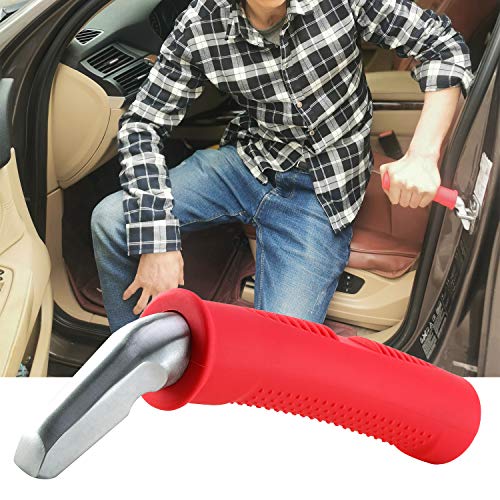
Getting in and out of your vehicle safely is crucial for people living with arthritis. Car door assist handles provide stability and leverage.
✅ Supports up to 300 lbs
✅ Compact and portable
✅ Fits most door latches
💡 Pro Tip: Some models include an emergency seatbelt cutter and window breaker for extra safety.
Recommended Product:
Valorcielo Auto Cane Vehicle Support Handle
Before You Buy
When choosing arthritis-friendly driving tools, keep these factors in mind:
- Ease of use: Avoid products that require forceful installation.
- Compatibility: Check your vehicle’s make and model.
- Comfort: Choose adjustable, cushioned, or ergonomic designs.
Conclusion
Driving with arthritis can be challenging, but with the right tools, it becomes safer and more comfortable. These aids help reduce pain, boost mobility, and make every drive smoother.
Before using any new adaptive device, consult your healthcare provider to ensure it’s right for your needs.
Related Reading
- Travel Essentials for Arthritis: Must-Haves for a Smooth Journey
- Best Hand Therapy Tools for Arthritis: Reviews & Practical Guide
- Managing Arthritis: Effective Exercise Routines for Pain Relief