
*This post may contain affiliate links, from which we may earn a small commission at no extra cost to you.*
If you live with arthritis, even simple daily activities can feel challenging. But here’s some bright news—literally. Research suggests that sunlight and vitamin D may help reduce arthritis pain, fight inflammation, and support bone and joint health naturally.
In this article, you’ll discover how vitamin D works, what the science says, and how to safely get more of it through sunshine or supplements.
☀️ What Is Vitamin D—and Why It Matters for Arthritis
Vitamin D, often called the “sunshine vitamin,” is a fat-soluble nutrient your body makes when exposed to sunlight. It’s also found in fatty fish (like salmon and mackerel), egg yolks, fortified dairy, and supplements.
For people with arthritis, vitamin D does far more than support general wellness—it may directly affect joint pain, inflammation, and immune balance.
🦴 1. Strengthens Bones and Joints
Vitamin D helps your body absorb calcium and phosphorus—two essential minerals that keep bones strong and joints supported.
Low vitamin D levels are common in people with osteoarthritis (OA) and are linked to faster joint degeneration and bone loss. Maintaining healthy vitamin D levels may slow cartilage breakdown and improve joint comfort.
🔥 2. Reduces Inflammation
For those with rheumatoid arthritis (RA), inflammation drives pain and stiffness. Vitamin D acts as a natural anti-inflammatory, helping reduce swelling and regulating cytokines—the immune messengers responsible for joint inflammation.
Some studies show that people with higher vitamin D levels experience less morning stiffness and joint tenderness.
🛡️ 3. Regulates the Immune System
Since RA is an autoimmune condition, managing immune responses is key. Vitamin D supports immune balance, helping the body differentiate between attacking harmful invaders and protecting healthy tissues.
This regulation may help reduce RA flare-ups and slow disease progression over time.
🔬 What the Research Says About Vitamin D and Arthritis
Studies have consistently shown that people with arthritis often have lower-than-average vitamin D levels.
Research published in Arthritis Research & Therapy found that vitamin D deficiency was linked to increased pain sensitivity and poorer physical function among arthritis patients.
While supplementation doesn’t cure arthritis, it may help:
- Improve joint mobility
- Reduce stiffness and fatigue
- Support stronger bones and muscles
Still, results vary, and more long-term studies are needed. Most experts agree that keeping vitamin D levels within the healthy range (30–60 ng/mL) supports overall joint and bone health.
💊 The Smart Combo: Vitamin D3 + K2 for Joint Health
If you’re considering a supplement, choose vitamin D3 (cholecalciferol) combined with vitamin K2 (MK-7). Here’s why that combo matters:
- Vitamin D3 improves calcium absorption.
- Vitamin K2 directs calcium into bones—not joints or arteries—where it can cause stiffness or buildup.
This synergy supports stronger bones, smoother joints, and better cardiovascular health.
🧩 D2 vs. D3: What’s the Difference?
- Vitamin D2 (ergocalciferol): Found in some plants and fortified foods, but less effective at raising vitamin D levels.
- Vitamin D3 (cholecalciferol): The form your body naturally makes from sunlight—more bioavailable and longer lasting.
For arthritis relief and bone support, D3 is the preferred form.
🌞 How to Get Safe Sun Exposure for Vitamin D
Sunlight is a free and natural way to boost vitamin D, but moderation is key.
Tips for Safe Sun Time
- Get 10–15 minutes of midday sun exposure on your face, arms, or legs, several times per week.
- Fair-skinned individuals may need less; darker skin tones may need 20–30 minutes.
- Always avoid sunburn—use SPF if outdoors for longer periods.
- During winter or in northern climates, supplements can help fill the gap.
💡 Did you know? Nearly half of adults with arthritis have low vitamin D levels, which can worsen pain and stiffness.
🌿 Featured Product: Vitamin D3 + K2 Supplement for Joint Health
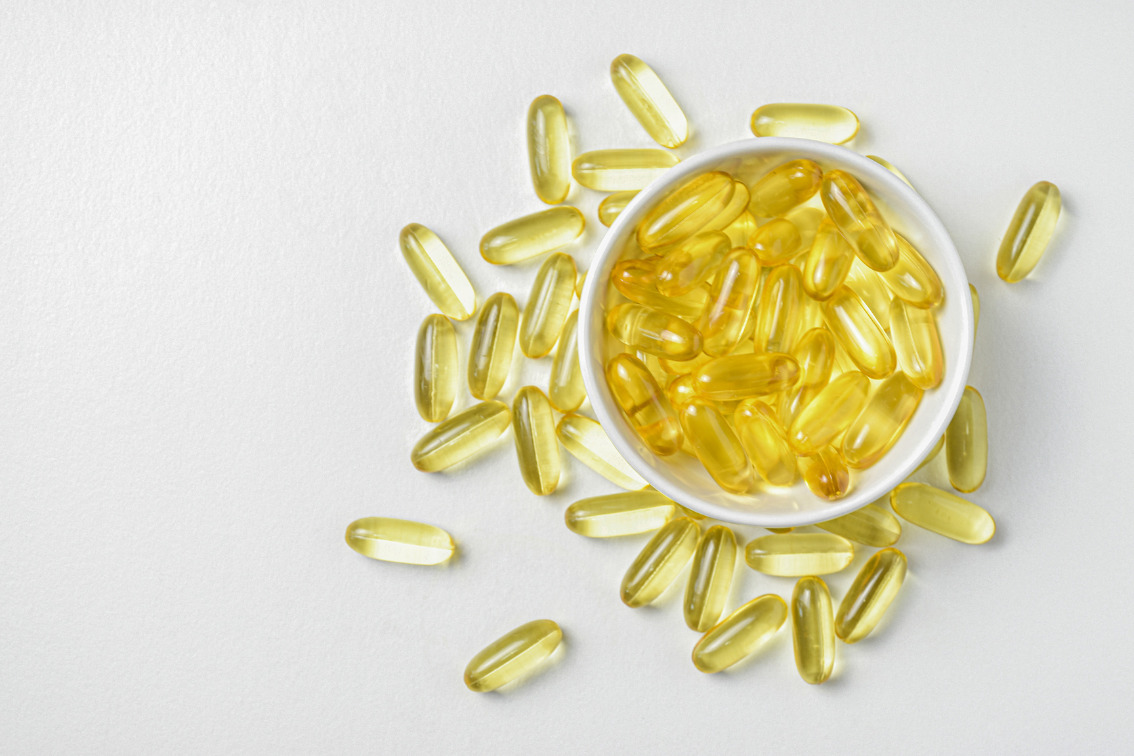
Recommended: Sports Research Vitamin D3 + K2
A trusted, vegan-friendly formula designed to support bones, joints, and immune balance.
- 5,000 IU of vitamin D3 + 100 mcg of K2 (MK-7)
- Supports bone density and joint comfort
- Non-GMO, gluten-free, soy-free, and vegan softgels

🧠 Final Thoughts: Can Vitamin D Help with Arthritis Pain?
Vitamin D won’t cure arthritis—but it’s a valuable piece of your overall joint health strategy. From supporting bones to calming inflammation and balancing the immune system, it’s one nutrient worth paying attention to.
Pairing safe sun exposure with a high-quality D3 + K2 supplement can make a noticeable difference in how your joints feel.
Always consult your healthcare provider before starting new supplements, especially if you’re taking medications or managing chronic conditions.
❓ Frequently Asked Questions About Vitamin D and Arthritis
Can vitamin D really help with arthritis pain?
Vitamin D supports bone strength, reduces inflammation, and helps regulate immune activity—all key for managing arthritis. While it won’t cure arthritis, many people notice less stiffness and improved mobility when their vitamin D levels are balanced.
What’s the best source of vitamin D for arthritis relief—sunlight or supplements?
Both can help! Moderate sun exposure allows your body to make vitamin D naturally, while supplements ensure consistent levels, especially during winter or if you live in northern climates. A D3 + K2 formula is often the most effective choice.
How much vitamin D do I need daily?
Most adults need 600–2,000 IU of vitamin D per day, depending on age, health, and sunlight exposure. Always check with your doctor before starting supplements, especially if you take medications or have autoimmune conditions.
Can low vitamin D make arthritis symptoms worse?
Yes. Low vitamin D is linked to increased pain sensitivity, fatigue, and joint stiffness. It can also contribute to bone loss and weakened muscles, making arthritis discomfort more noticeable.
What time of day is best for getting vitamin D from sunlight?
Midday (around 10 a.m.–2 p.m.) is best, when UVB rays are strongest. Just 10–15 minutes of unprotected sun exposure on your arms and face a few times per week is usually enough for most people.
Should I take vitamin D2 or D3 for arthritis?
Vitamin D3 (cholecalciferol) is the better option. It’s the same form your body produces from sunlight and is more effective than D2 at raising and maintaining vitamin D levels.
What foods are high in vitamin D?
Fatty fish (like salmon, sardines, and tuna), egg yolks, fortified milk, and mushrooms exposed to UV light are all great dietary sources. Still, most people need a supplement or regular sun exposure to reach optimal levels.