
*This post may contain affiliate links, from which we may earn a small commission at no extra cost to you.*
People researching light-based therapies for arthritis often assume cold laser therapy and red light therapy are the same. They are not.
While both treatments use specific wavelengths of light to influence cellular activity, they differ in how light is delivered, how deeply it penetrates, and which situations they are best suited for. Choosing the right approach can significantly affect your results.
This guide breaks down the real-world differences so you can decide which option better matches your symptoms and expectations.
Cold Laser Therapy vs Red Light Therapy: Quick Answer
Cold laser therapy uses focused low-level laser beams designed for precise, localized treatment, while red light therapy uses LED light for broader area coverage. Cold laser therapy is typically used for targeted joint discomfort, whereas red light therapy is more commonly chosen for multi-joint symptoms and routine home use.
Cold Laser Therapy: Precision-Focused Light Treatment
Cold laser therapy — also called low-level laser therapy (LLLT) — uses concentrated beams of low-intensity light aimed at specific areas of discomfort.
Unlike surgical lasers, these devices do not heat or damage tissue. Instead, they are designed for targeted exposure.
How Cold Laser Therapy Differs
- Uses focused laser light rather than wide LED spread
- Designed for localized treatment areas
- Often associated with clinical or practitioner use
- May reach deeper tissues due to beam concentration
When People Typically Consider Cold Laser Therapy
Cold laser therapy is commonly explored when discomfort is:
✅ Highly localized to one joint
✅ Persistent in a specific area
✅ Requiring precision application
Red Light Therapy: Broad-Coverage LED Exposure
Red light therapy relies on LED-generated red and near-infrared wavelengths. Instead of a narrow beam, LEDs emit light across a wider area.
This makes red light therapy particularly attractive for home use and routine sessions.
What Makes Red Light Therapy Different
- Uses diffused LED light
- Easier to apply across larger body areas
- Widely available consumer devices
- Minimal learning curve for beginners
Common Reasons People Prefer Red Light Therapy
Red light therapy is often chosen when symptoms involve:
✅ Multiple joints
✅ General stiffness or inflammation
✅ Daily or frequent use at home
If you want a deeper explanation, see our complete guide on red light therapy for arthritis.
Cold Laser vs Red Light Therapy: Practical Comparison
| Factor | Cold Laser Therapy | Red Light Therapy |
|---|---|---|
| Light Delivery | Focused beam | Wide light spread |
| Treatment Style | Highly targeted | Area coverage |
| Typical Use Case | Specific joint focus | Multi-area support |
| Ease of Use | Moderate | Very easy |
| Home Device Availability | Limited | Extensive |
Which Therapy Should You Choose?
For most people, the decision comes down to precision vs convenience.
- Choose cold laser therapy if discomfort is isolated to a very specific joint and you prefer targeted treatment.
- Choose red light therapy if symptoms affect broader areas, multiple joints, or you want a device suited for frequent home sessions.
Because arthritis often involves more than one problem area, many users find red light therapy easier to maintain consistently.
Can Red and Infrared Wavelengths Be Combined?
Yes. Many modern devices incorporate both visible red and near-infrared wavelengths.
This combination attempts to balance:
✅ Surface-level exposure
✅ Deeper tissue reach
✅ Simpler at-home usage
For arthritis sufferers managing recurring stiffness or multi-joint discomfort, combination devices are particularly popular.
Example: Dual-Wavelength Light Therapy Devices
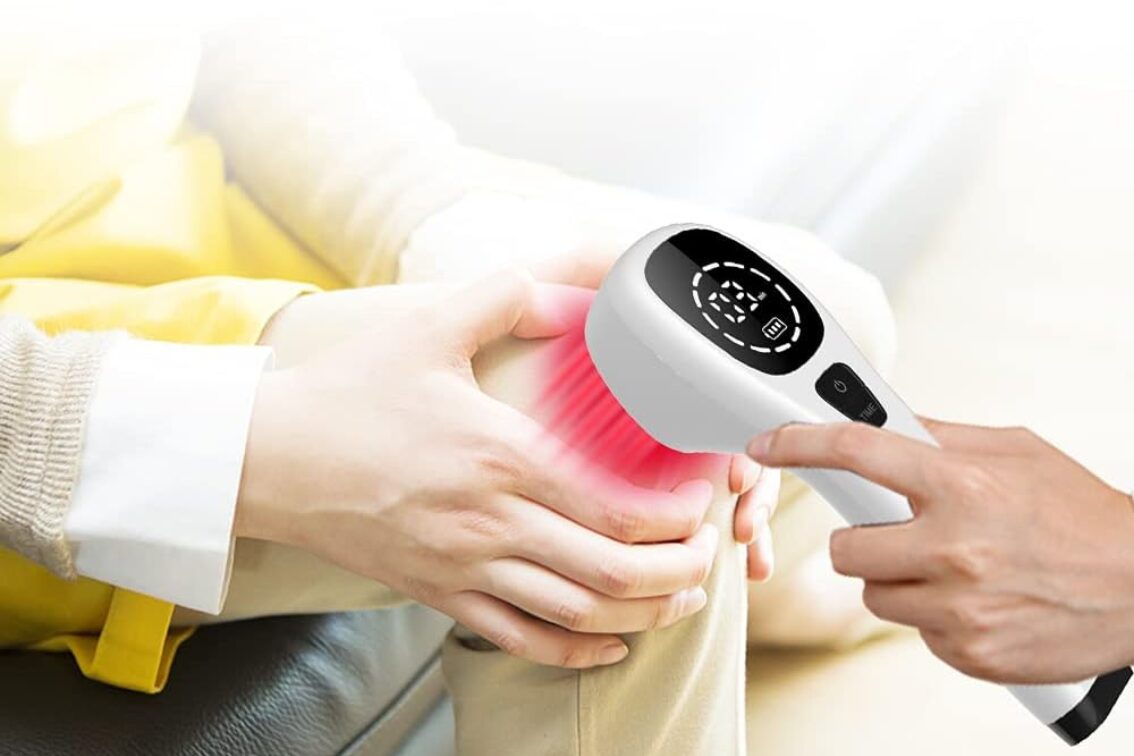
Some handheld devices use both red and near-infrared light to support versatile treatment.
Users typically value:
✅ Portability and ease of use
✅ Coverage flexibility
✅ Comfort during sessions
When evaluating devices, focus on build quality, usability, and consistency rather than exaggerated claims.
Important Expectations for Light-Based Therapies
Light therapies are best viewed as supportive tools, not cures.
Results vary based on:
- Individual biology
- Symptom severity
- Consistency of use
They are commonly used alongside other strategies such as gentle movement, heat therapy, and physician-guided care.
If you have medical conditions or use medications, consult a healthcare professional before starting any new therapy.
Dual Wavelength Red & Infrared Light Therapy Tool
- ✅ Portable, rechargeable, and travel-friendly
- ✅ Penetrates deeply for effective arthritis relief
- ✅ Ideal for home use

Final Thoughts
Cold laser therapy and red light therapy share a similar scientific foundation but differ meaningfully in delivery style and user experience.
Neither option is universally “better.” The right choice depends on whether you prioritize precision targeting or practical day-to-day usability.
For many arthritis sufferers, ease of use ultimately determines long-term adherence — which is why red light therapy devices dominate the home-use market.
Related Reading:
📌 Red Light Therapy for Arthritis: A Ray of Hope or Medical Myth?
📌 The Best Exercise Equipment for Arthritis Relief
📌 Natural Pain Relief Tools for Arthritis: What Works?