
Disclosure: As an Amazon Associate, Arthritis Wares earns from qualifying purchases at no extra cost to you. We are not paid or sponsored by any manufacturer. Affiliate links help support our work.
Quick Answer: Do Natural Supplements Help Arthritis?
Some supplements may offer modest symptom relief for certain people with arthritis, but the evidence varies considerably. Benefits are not guaranteed, and a supplement that has been studied for rheumatoid arthritis may not help osteoarthritis in the same way.
Omega-3 fatty acids have some evidence of modest benefits for rheumatoid arthritis symptoms. Research on turmeric, glucosamine, chondroitin, MSM, boswellia and collagen is mixed, limited, or insufficient to establish meaningful benefits for many arthritis-related problems.
Natural does not mean risk-free. Supplements can cause side effects, interact with medications, and vary in quality. They should not replace prescribed arthritis treatment.
This guide explains what research suggests about popular supplements, what remains uncertain, and what to check before buying one.
How to Interpret the Evidence
Research on arthritis supplements can be difficult to interpret. Studies may involve different arthritis types, ingredient formulations, doses, treatment periods and measures of improvement.
A positive result in a small study does not necessarily mean a supplement will provide meaningful relief in everyday use.
Throughout this guide, the evidence is described cautiously:
- Some evidence: Research suggests a possible benefit, but important uncertainties remain.
- Mixed or limited evidence: Findings are inconsistent, or studies have significant limitations.
- Insufficient evidence: There is not enough reliable research to determine whether the supplement helps.
These descriptions are not formal medical grades. They are intended to help readers understand how much confidence to place in the available findings.
For further reading, see the National Center for Complementary and Integrative Health’s overview of nutritional approaches to inflammation.
Comparing Popular Supplements for Arthritis
| Supplement | What the research suggests | Important limitation |
|---|---|---|
| Turmeric / curcumin | Some preliminary research suggests possible benefits for certain osteoarthritis symptoms. | Evidence is insufficient to establish it as an effective arthritis treatment. |
| Omega-3 fatty acids | May modestly improve some rheumatoid arthritis symptoms. | Evidence for osteoarthritis is less convincing. |
| Glucosamine | Research on osteoarthritis has produced inconsistent results. | Major guidelines recommend against its use for osteoarthritis of the hip, knee and hand. |
| Chondroitin | Results vary by joint and formulation. | Recommendations differ among medical guidelines. |
| MSM | Evidence for meaningful osteoarthritis benefits is limited. | Effectiveness remains uncertain. |
| Boswellia | Small studies suggest possible improvements in osteoarthritis symptoms. | Larger, higher-quality studies are needed. |
| Devil’s claw | Some evidence suggests possible short-term benefits for certain types of osteoarthritis and back pain. | Evidence and safety information remain limited. |
| Collagen peptides | Research is developing, with uncertain clinical significance. | It has not been established that supplements rebuild damaged cartilage. |
The evidence summaries draw on guidance from the NCCIH and published arthritis treatment guidelines. They should not be interpreted as a ranking of the most effective products.
1. Turmeric and Curcumin
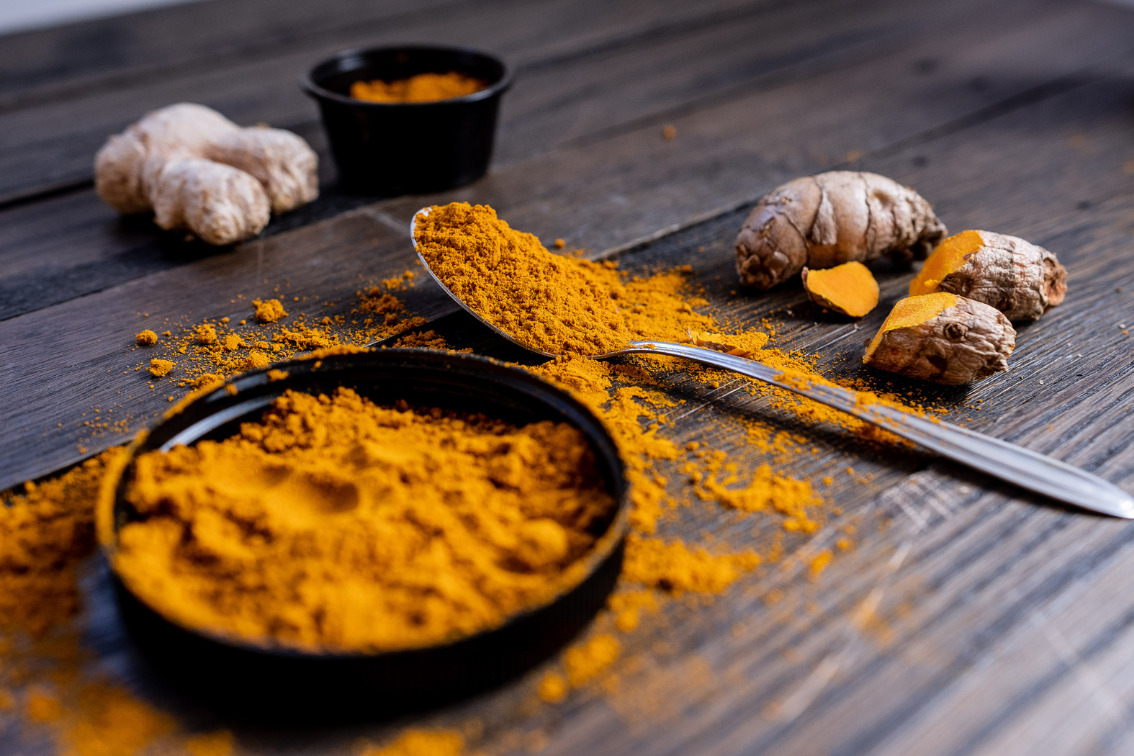
Turmeric is a spice that contains curcumin, a compound studied for its potential anti-inflammatory effects. Turmeric and curcumin supplements are widely marketed for joint discomfort and stiffness.
What does the research suggest?
Some preliminary studies suggest curcumin may help relieve certain symptoms associated with osteoarthritis, particularly knee osteoarthritis. However, the available evidence is limited, and researchers have not established that turmeric supplements are an effective treatment for arthritis generally.
Results from one formulation should not automatically be applied to another. Products can differ in curcumin content and absorption, making comparisons difficult.
Turmeric supplements have also not been shown to rebuild damaged cartilage or stop arthritis from progressing.
What should you check on the label?
If you are considering a curcumin supplement, check for:
- The amount of curcuminoids per serving, rather than relying on a large number printed prominently on the front of the bottle.
- Clear ingredient and serving-size information.
- Additional ingredients designed to increase absorption.
- Independent quality testing, where available.
- Relevant warnings and medication-interaction information.
Some formulations contain black pepper extract, also known as piperine, to increase curcumin absorption. Greater absorption does not automatically mean greater benefit, and enhanced-bioavailability formulations have raised additional safety concerns.
Safety considerations
Turmeric supplements can cause digestive upset, nausea, reflux or diarrhea. Liver injury has also been reported with some turmeric and curcumin products, particularly certain formulations designed to increase absorption.
Speak with a healthcare professional before using a concentrated supplement if you take medications or have a medical condition. Stop taking it and seek medical advice if you develop symptoms that could indicate liver injury, such as dark urine, yellowing of the skin or eyes, or unusual fatigue accompanied by other symptoms.
Read the NCCIH guidance on turmeric for additional safety information.
Curcumin supplement to compare
Turmeric Curcumin with Black Pepper Extract — 95% Curcuminoids
When comparing this product with alternatives, check the actual curcuminoid amount per serving, the role of the black pepper extract, serving size and safety warnings. Do not assume that a higher advertised milligram figure means better results.

2. Omega-3 Fatty Acids
Omega-3 fatty acids include EPA and DHA, which are found in oily fish and fish oil supplements. Some supplements use algae-derived omega-3s instead.
These fats are involved in normal bodily processes, including those related to inflammation. Their potential role in arthritis has been studied, particularly in rheumatoid arthritis.
What does the research suggest?
Some clinical research suggests omega-3 supplements may modestly improve symptoms such as tender joints and morning stiffness in people with rheumatoid arthritis. Some studies have also examined whether supplementation can reduce the need for anti-inflammatory medication.
However, results are not uniform, and omega-3 supplements should not be treated as a substitute for disease-modifying treatment for rheumatoid arthritis.
Evidence that fish oil meaningfully improves osteoarthritis symptoms is much less convincing.
What should you check on the label?
If you are comparing omega-3 products, look for:
- The amount of EPA and DHA per serving, listed separately.
- The number of capsules required to reach the stated serving.
- Clear sourcing and ingredient information.
- Quality testing and contaminant-control information, where available.
- Fish or other allergen warnings.
A product advertised as containing 1,000 or 1,200 mg of fish oil may provide considerably less EPA and DHA than that total. Compare the actual active ingredients rather than the headline number.
Vegan products made from algae may be an alternative for people who do not consume fish.
Safety considerations
Fish oil may cause an unpleasant aftertaste, nausea or digestive discomfort. Higher supplemental doses may affect bleeding risk, and interactions with medications need to be considered.
Check with a pharmacist or clinician before taking omega-3 supplements if you use anticoagulants or other medications that affect bleeding, have a medical condition, or are considering a high dose.
Omega-3 supplement to compare
Omega-3 Fish Oil with EPA and DHA

3. Glucosamine and Chondroitin
Glucosamine and chondroitin are substances associated with cartilage. They are commonly sold separately or in combination supplements marketed for osteoarthritis, particularly knee discomfort.
The fact that these substances occur naturally in cartilage does not establish that taking them as supplements will restore cartilage or improve joint function.
What does the research suggest?
Research has produced inconsistent results. Some people report improvement, but many studies have not found meaningful benefits over placebo.
Medical guidelines also differ in some areas. The American College of Rheumatology and Arthritis Foundation strongly recommend against glucosamine for osteoarthritis of the hip, knee and hand. They also recommend against chondroitin for knee and hip osteoarthritis, while conditionally recommending it for hand osteoarthritis.
These differences matter: evidence about one joint or formulation should not be assumed to apply to every product or type of arthritis.
For more detail, see the NCCIH overview of glucosamine and chondroitin.
What should you check on the label?
If you are considering a combination product, check:
- The amount of glucosamine and chondroitin per serving.
- Whether MSM, turmeric or other ingredients have been added.
- The number of tablets required per day.
- Allergen information, including the source of glucosamine where relevant.
- Medication warnings and independent quality information.
Adding several ingredients does not establish that a formula works better than a simpler product.
Safety considerations
Glucosamine and chondroitin can interact with warfarin, an anticoagulant, and may increase bleeding risk. Glucosamine may also affect blood glucose in some people.
Speak with a healthcare professional before starting these supplements, particularly if you take prescription medications.
Glucosamine combination supplement to compare
Glucosamine, Chondroitin, MSM, Turmeric and Boswellia Combination
The product listed combines several ingredients marketed for joint support. Its inclusion is not an endorsement of clinical effectiveness.
Before buying a multi-ingredient product, check the quantity of each ingredient per serving. If the amounts are unclear, it is difficult to compare the formula with research or evaluate whether it is suitable for you.

4. MSM (Methylsulfonylmethane)
MSM is a sulfur-containing compound sold as a dietary supplement, either by itself or in combination joint formulas.
It is marketed for joint comfort, flexibility and mobility, but marketing claims should not be confused with established clinical benefits.
What does the research suggest?
Only limited research has examined MSM for osteoarthritis. There is not enough reliable evidence to determine whether it provides meaningful improvements in pain, stiffness or everyday function.
Its inclusion in a supplement does not establish that the product will help arthritis symptoms.
What should you check on the label?
If you are comparing MSM products, check the amount per serving, serving instructions, additional ingredients and quality information. Consider whether a standalone product would make it easier to evaluate tolerability than a combination containing several supplements.
Safety considerations
MSM may cause digestive upset, skin reactions or other side effects. Long-term safety information is limited. Ask a healthcare professional whether it is appropriate for you, particularly if you take medications or have existing health conditions.
5. Boswellia Serrata
Boswellia serrata is a tree whose resin has been used in traditional herbal practices. Extracts are sold as supplements for joint discomfort and inflammation.
What does the research suggest?
Several small studies suggest that oral boswellia extracts may help some osteoarthritis symptoms. However, the studies have generally been small or of limited quality, and there is not enough high-quality evidence to establish effectiveness.
Different products may use different extracts and concentrations, so results from one preparation cannot automatically be applied to every boswellia supplement.
What should you check on the label?
Look for the botanical name, the amount per serving, the type of extract and any standardization information. Be cautious of claims that promise to eliminate inflammation or prevent joint damage.
Safety considerations
Information about the safety of many herbal supplements remains limited. Boswellia may cause side effects or interact with medications. Discuss it with a pharmacist or healthcare professional before use, especially if you take prescription medication or are considering combining several herbal products.
For additional information, see the NCCIH guidance on boswellia.
6. Devil’s Claw
Devil’s claw is an herb native to southern Africa. Its extracts have been studied for certain types of musculoskeletal discomfort, including osteoarthritis and back pain.
What does the research suggest?
Some evidence suggests devil’s claw may provide short-term benefits for osteoarthritis affecting the spine, hip or knee, as well as certain types of low-back pain. However, this does not establish it as a treatment for all forms of arthritis, and more research is needed.
Safety considerations
Devil’s claw may not be suitable for everyone. Its potential interactions and suitability depend on a person’s medications and health conditions. Do not assume an herbal product is safe simply because it is sold without a prescription.
7. Collagen Peptides
Collagen is a protein found in connective tissues. Collagen supplements are sold as powders, capsules and other formulations, often marketed for skin, bones and joints.
Products may contain hydrolyzed collagen, sometimes called collagen peptides, or other forms such as undenatured type II collagen. These forms are not interchangeable, and research on one formulation does not necessarily apply to another.
What does the research suggest?
Research into collagen supplements for joint symptoms is developing, but the evidence does not establish that taking collagen rebuilds damaged cartilage or reverses osteoarthritis.
Some studies have explored possible changes in joint discomfort or function, but the clinical significance of reported benefits remains uncertain. Collagen should not be viewed as a proven way to restore joint structure.
What should you check on the label?
Consider:
- The type of collagen and the amount per serving.
- Whether the product is hydrolyzed or uses another formulation.
- The source, such as bovine, marine or another animal-derived ingredient.
- Added sweeteners, flavors and other ingredients.
- Allergens and dietary preferences.
Safety considerations
Collagen products can cause digestive discomfort, and suitability depends on the source and other ingredients. People with food allergies should check the label carefully.
Collagen supplement to compare
Sports Research Collagen Peptides — Hydrolyzed Type I and III
The product listed is a hydrolyzed collagen powder marketed for skin, nails, bones and joints. Check its current ingredient list, serving size and source before purchasing. Its presence in this guide does not establish that it will improve arthritis symptoms.

How to Choose an Arthritis Supplement
Rather than buying several products at once, start by clarifying what you hope to achieve and whether there is credible evidence that a supplement may help with that specific problem.
1. Consider the type of arthritis
Osteoarthritis and rheumatoid arthritis are different conditions. Research about omega-3 supplements for rheumatoid arthritis, for example, should not be taken as proof that they will help osteoarthritis.
If you are unsure which type of arthritis you have, discuss your symptoms and diagnosis with a healthcare professional.
2. Look for evidence about the actual ingredient
A supplement may advertise an ingredient that has been studied, but the product may contain a different form, concentration or combination.
Check whether the evidence relates to the actual ingredient and formulation rather than relying on general claims about inflammation or joint health.
3. Read the complete label
Check the amount of each active ingredient per serving, recommended serving size, additional ingredients, allergens and warnings. Be cautious of products that hide amounts within proprietary blends.
4. Consider independent quality testing
Independent testing can provide useful information about identity, purity and whether a product contains what its label claims. It does not prove that the supplement works for arthritis.
5. Discuss safety before starting
A pharmacist or healthcare professional can help identify potential interactions and assess whether a supplement is appropriate for your circumstances.
6. Set realistic expectations
Some studies evaluate supplements over weeks or months, but there is no universal timeline for improvement. A supplement may not help at all. Avoid increasing the dose or combining more products in an attempt to force a result.
Supplement Safety: What to Know Before You Buy

Even when a supplement is sold over the counter, it can have meaningful risks.
Before starting one, consider the following:
- Medication interactions: Supplements may change the effects or risks of prescription and nonprescription medicines.
- Existing health conditions: Liver or kidney problems and other medical conditions can affect whether a product is suitable.
- Surgery: Tell your healthcare team about supplements before a planned procedure.
- Multiple products: Combining supplements can increase exposure to overlapping ingredients and make side effects harder to identify.
- Product quality: Labels, ingredient concentrations and manufacturing quality can vary.
- Delayed treatment: Relying on supplements instead of appropriate medical care may delay effective treatment.
People with rheumatoid arthritis should be particularly careful not to replace prescribed disease-modifying medication with supplements. Controlling the disease and preventing joint damage require appropriate medical management.
If you decide to try a supplement with your healthcare professional’s agreement, keep track of the product, serving size, start date, possible side effects and any changes in symptoms. This can make it easier to assess whether continuing is worthwhile.
What May Help Arthritis Beyond Supplements?
Supplements are only one part of arthritis self-management, and many have uncertain benefits. Depending on the type of arthritis and individual needs, other strategies have stronger support.
These may include:
- Appropriate strength and aerobic exercise.
- Joint protection and activity pacing.
- Maintaining a healthy weight when appropriate.
- Following a balanced, varied diet.
- Getting suitable support for sleep and daily activities.
- Using prescribed treatments and attending recommended medical follow-ups.
For more practical guidance, see the Arthritis Exercise Guide and the Arthritis Supplies & Tools guide.
Frequently Asked Questions
Which supplement has the strongest evidence for arthritis?
There is no single supplement that has been established as the best option for all forms of arthritis. Omega-3 supplements have some evidence of modest benefits for rheumatoid arthritis symptoms. Evidence for many supplements marketed for osteoarthritis is mixed, limited or insufficient.
Can supplements rebuild cartilage?
There is no convincing evidence that commonly marketed arthritis supplements can rebuild damaged cartilage or reverse established osteoarthritis. Claims about cartilage repair should be treated cautiously.
How long do arthritis supplements take to work?
There is no universal timeline. Research periods differ, and any benefit may be small or absent. If you try a supplement after discussing it with a healthcare professional, agree on a reasonable period for evaluating it rather than continuing indefinitely without a clear benefit.
Can I take several arthritis supplements together?
Combining supplements is not automatically safe or more effective. Ingredients can overlap, and interactions with medications may occur. Ask a pharmacist or healthcare professional to review the complete list of products you take.
Are natural supplements safer than arthritis medication?
Not necessarily. Natural products can cause side effects, interact with medication and vary in quality. Prescription treatments also have risks, but they may have better-established benefits for specific conditions. Treatment decisions should consider both potential benefits and risks.
Should I stop my arthritis medication if I start a supplement?
No. Do not stop or change prescribed medication without consulting the clinician who manages your treatment. Supplements have not been shown to replace appropriate treatment for inflammatory arthritis.
Final Thoughts

Some supplements may provide modest symptom benefits for certain people, but the evidence is far from uniform. Omega-3 fatty acids have some supportive evidence for rheumatoid arthritis symptoms, while research on turmeric, glucosamine, chondroitin, MSM, boswellia and collagen has important limitations.
The most useful approach is to identify your specific needs, check the evidence for the ingredient and formulation, review possible interactions, and avoid products that promise dramatic results or cartilage repair.
A supplement is worth considering only when its possible benefits, uncertainties, cost and risks make sense for you. It should complement—not replace—appropriate arthritis care.
Related Reading
- Arthritis Exercise Guide
- Arthritis Supplies & Tools: Complete Guide to Daily Living Aids
- Reduce Morning Stiffness With Arthritis
Medical Disclaimer: This article is for informational purposes only and does not constitute medical advice. Always consult your doctor, rheumatologist, or occupational therapist before making changes to how you manage your arthritis.
