

*This post may contain affiliate links, from which we may earn a small commission at no extra cost to you.*
Practical Bathroom Safety Aids for Comfort, Stability, and Independence
Arthritis tools for safe bathing and showering are assistive bathroom aids designed to reduce fall risk, protect painful joints, and support independence during daily hygiene routines. These tools help improve stability, reduce strain, and make bathing safer for people with arthritis.
Bathrooms are one of the most common places for slips and falls, particularly for people with joint pain or mobility limitations. The good news is that with the right arthritis-friendly bathing tools, you can significantly improve safety, reduce strain on painful joints, and maintain independence during daily routines.
This guide covers the most effective tools for safer bathing and showering, along with practical tips for choosing what best fits your needs.
Why Bathing Is More Challenging With Arthritis
Arthritis commonly affects grip strength, joint flexibility, balance, and endurance. In the bathroom, this can make tasks such as standing for long periods, stepping into a tub, reaching to wash, or handling slippery bottles especially difficult.
Common challenges include:
- Slippery floors that increase fall risk
- Difficulty standing, bending, or lifting legs into the tub
- Weak or painful grip when holding soap, shampoo, or shower controls
Bathroom safety tools are designed to reduce these risks by improving stability, minimizing strain, and supporting safer movement.
Professional Guidance and Safety Considerations
Occupational therapists and physical therapists frequently recommend bathroom safety aids for people with arthritis. Tools such as grab bars, shower seating, non-slip surfaces, and handheld shower heads help protect joints, reduce fall risk, and support independence during bathing.
Choosing aids that match your mobility level and bathroom layout is key. Some tools are helpful for mild balance issues, while others are essential for more significant mobility limitations.
Essential Arthritis-Friendly Shower and Bathing Tools
Common arthritis bathing aids include:
• Non-slip mats for safer footing
• Shower chairs or stools for standing pain
• Grab bars for balance and transfers
• Handheld shower heads for limited reach
• Transfer benches for safe tub entry
Non-Slip Shower and Bath Mats
Slipping is one of the most common bathroom hazards. A high-quality non-slip mat provides traction underfoot and adds confidence when standing or transferring in the tub or shower.
Helpful features to look for:
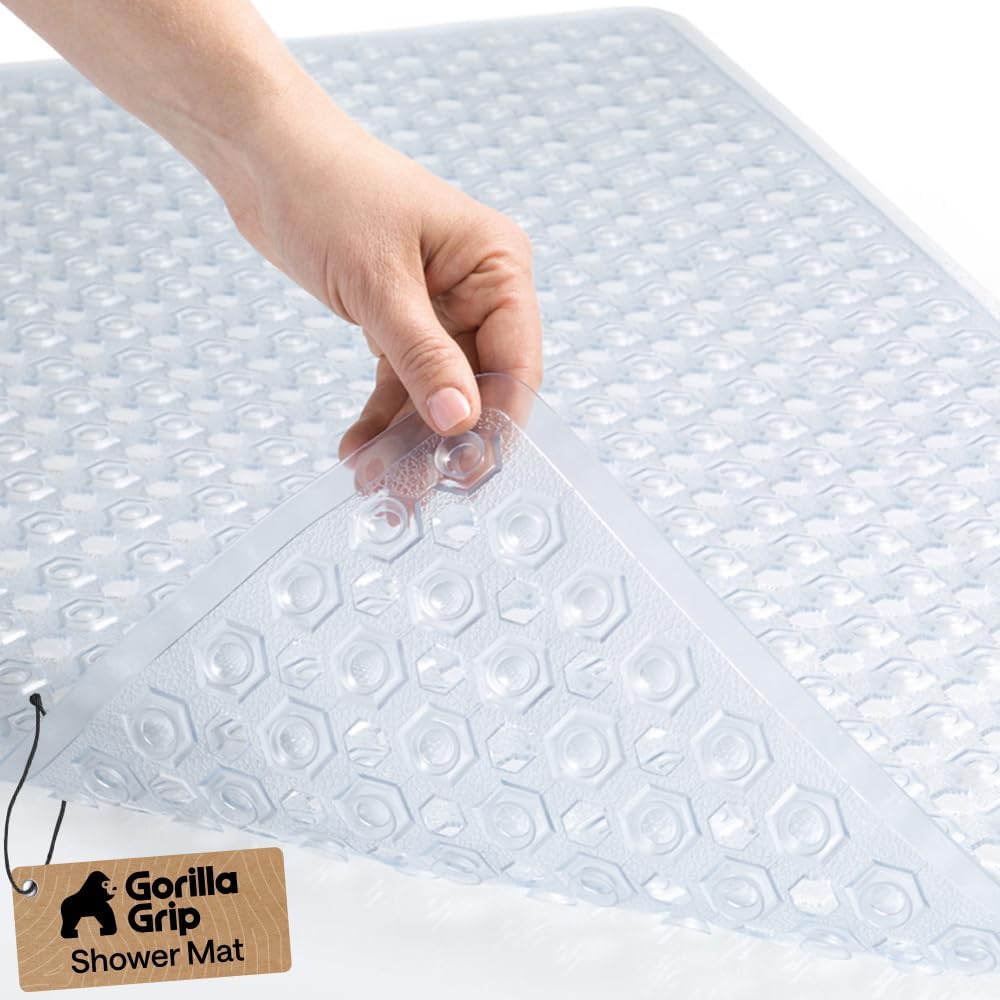
- Strong suction cups or textured backing
- Mold- and mildew-resistant materials
- Easy-to-clean surfaces
Non-slip mats are often one of the simplest and most effective safety upgrades for any bathroom.
A textured, suction-cup bath mat designed to reduce slipping can provide extra stability for people with arthritis.
Shower Chairs and Stools
Standing for extended periods can increase joint pain and fatigue. A shower chair or stool allows you to bathe while seated, reducing stress on knees, hips, and ankles.
Key features to consider:
- Adjustable height for proper positioning
- Non-slip rubber feet
- Rust-resistant frames for long-term use
Shower seating is especially helpful for moderate to severe arthritis, balance concerns, or flare-ups.

Handheld Shower Heads
Handheld shower wands make bathing easier by reducing the need to twist, bend, or reach awkwardly.
Look for:
- Lightweight design
- Ergonomic, non-slip handles
- Flexible hose length for seated use
These are particularly useful when paired with a shower chair or bench.

Soap and Shampoo Dispensers
Traditional bar soap and slippery bottles can be difficult to manage with painful or weak hands.
Arthritis-friendly options include:
- Pump dispensers with wide, easy-press tops
- Wall-mounted dispensers for one-handed use
- Foaming wash containers that require less grip strength
These small changes can make bathing safer and more manageable.

Bathtub Safety Tools for Arthritis
Transfer Benches
Stepping over a tub wall can be risky with arthritis. A transfer bench allows you to sit outside the tub and slide across safely, reducing the need to lift your legs high.
Helpful features include:
- Padded seating for comfort
- Adjustable legs for stability
- Slip-resistant feet
Transfer benches are often recommended for hip or knee arthritis and post-surgical recovery.

Grab Bars and Safety Rails
Grab bars provide stable support when sitting, standing, or repositioning in the bath or shower.
When choosing grab bars:
- Select wall-mounted, properly anchored bars
- Look for textured or non-slip surfaces
- Ensure adequate weight capacity
Grab bars are a cornerstone of bathroom safety for arthritis and mobility challenges.

Long-Handled Bath Sponges and Brushes
Reaching can aggravate shoulder, back, or hip pain. Long-handled sponges allow you to wash without excessive bending or stretching.
Helpful features:
- Lightweight, ergonomic handles
- Non-slip grips
- Replaceable sponge or brush heads
These tools are simple but highly effective for maintaining comfort.

Quick Guide: Choosing the Right Bathing Aid
- Mild balance issues: non-slip mats, grab bars
- Standing pain or fatigue: shower chair or stool
- Difficulty entering the tub: transfer bench
- Limited reach or flexibility: handheld shower head, long-handled sponge
Choosing the right combination often works better than relying on a single tool.
Additional Bathroom Safety Tips
- Install anti-scald devices to prevent burns
- Keep floors dry and clutter-free
- Store frequently used items within easy reach
- Improve lighting, especially for nighttime use
Small adjustments can make a meaningful difference.
Caring for Your Bathing Aids
- Clean mats and seating regularly to prevent mildew
- Periodically check grab bars and benches for looseness or wear
- Replace sponges and accessories as needed for hygiene and safety
Routine maintenance helps ensure long-term reliability.
Final Thoughts: Safer Bathing With Arthritis
Bathing does not have to be painful or unsafe. With thoughtfully chosen arthritis-friendly tools, you can reduce fall risk, protect your joints, and regain confidence in daily self-care routines.
Whether you need simple non-slip support or more structured bathing assistance, the right tools can help you maintain comfort, safety, and independence at home.
Related Reading
- Showering With Arthritis: Gentle Routines for Pain Relief
- Best Non-Slip Bath Mats for Arthritis
- Top Shower Seats and Benches for Arthritis Safety
For a deeper room-by-room strategy, visit arthritis-friendly home modifications.