
*This post may contain affiliate links, from which we may earn a small commission at no extra cost to you.*
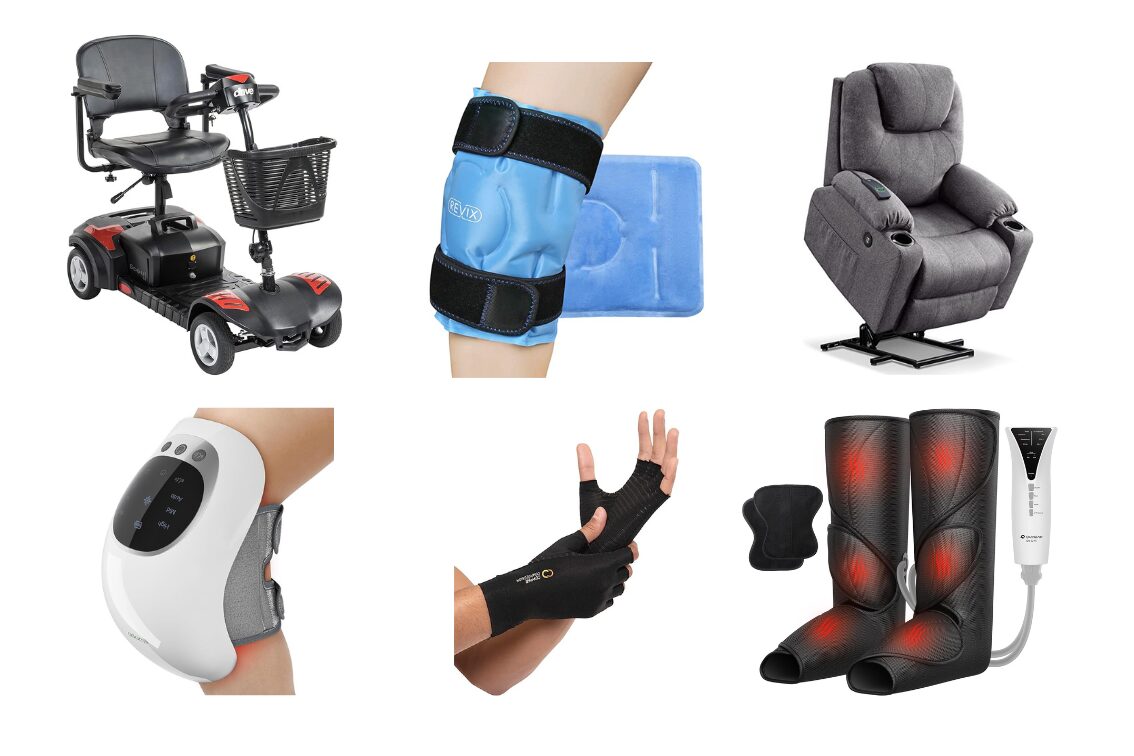
Living with arthritis can make even simple daily tasks feel challenging. The good news is that the right arthritis supplies can significantly reduce pain, protect your joints, and help you stay independent at home and on the go. This comprehensive guide explains what arthritis supplies are, how they help, and how to choose the best options for your needs — from daily living aids to mobility and pain relief solutions.
Whether you’re newly diagnosed, caring for a loved one, or looking to improve your quality of life, this page serves as a central hub connecting you to the most helpful aids, tools, and equipment for arthritis.
Who This Guide Is For
This guide is designed for people living with arthritis, caregivers, and anyone seeking practical tools to reduce joint strain, improve daily comfort, and maintain independence at home or on the go.
What Are Arthritis Supplies?
Arthritis supplies are an umbrella term for products designed to support people living with arthritis by:
- Reducing joint strain and pain
- Improving mobility and balance
- Making daily activities easier
- Enhancing comfort, safety, and independence
Arthritis supplies can include daily living aids, mobility equipment, pain relief tools, home adaptations, and wellness supports. Some are simple, low-cost tools, while others are more specialized assistive devices.
Daily Living Arthritis Supplies

Daily living aids are some of the most commonly used arthritis supplies because they help with everyday tasks that often strain the hands, wrists, and joints.
These supplies are designed to improve grip, reduce force, and support safer movement throughout the day.
Common Daily Living Aids
- Easy-grip eating utensils and adaptive cutlery
- Jar openers and bottle openers
- Writing aids and ergonomic pens
- Dressing aids such as button hooks and zipper pulls
- Kitchen tools designed for limited hand strength
These arthritis supplies are especially helpful for people with hand arthritis, finger stiffness, or reduced grip strength.
Explore our full collection of daily living aids to see practical tools that make everyday tasks more manageable.
Mobility & Movement Supplies for Arthritis

Mobility-related arthritis supplies support walking, balance, and joint stability. They help reduce fall risk and allow people with arthritis to move more confidently and comfortably.
Common Mobility Supplies
- Rollators and walkers
- Canes and walking sticks
- Knee, ankle, wrist, and joint supports
- Compression sleeves and braces
These supplies are often used by people with knee arthritis, hip arthritis, or balance challenges. Choosing the right mobility aid can make a significant difference in safety and independence.
Learn more about mobility and movement supplies designed for arthritis support.
Pain Relief & Therapy Supplies
Pain management is a central part of arthritis care. Pain relief and therapy supplies help manage stiffness, swelling, and chronic discomfort.
Common Pain Relief Supplies
- Heat therapy tools (heating pads, wraps, blankets)
- Cold therapy products (ice packs, gel wraps)
- Compression gloves and supports
- Massage tools and therapy devices
These arthritis supplies are often used daily as part of a pain management routine and can be combined with exercise, rest, and medical treatment.
Browse pain relief and therapy tools to find options that support comfort and recovery.
Lifestyle & Home Arthritis Supplies

Lifestyle and home supplies focus on making living spaces safer and more comfortable for people with arthritis. These products reduce strain during common household activities and improve overall quality of life.
Common Home & Lifestyle Supplies
- Bathroom safety tools (shower chairs, grab bars)
- Bedroom and sleep support products
- Supportive seating and posture aids
- Home safety and reach tools
These arthritis supplies are particularly valuable for seniors, caregivers, and anyone looking to age in place safely.
Discover lifestyle and home solutions designed for arthritis-friendly living.
Wellness & Support Supplies

Wellness-focused arthritis supplies support overall health, emotional well-being, and long-term symptom management.
Examples of Wellness & Support Tools
- Fatigue management and energy-conservation aids
- Relaxation and stress-reduction tools
- Educational resources and self-care supports
While these products may not directly target joints, they play an important role in holistic arthritis care.
Explore wellness and support resources to complement your arthritis management plan.
Arthritis Supplies vs. Arthritis Aids vs. Arthritis Tools
These terms are often used interchangeably, but they have slightly different meanings:
- Arthritis supplies: The broad umbrella covering all arthritis-related products
- Arthritis aids: Assistive products that help perform tasks more easily
- Arthritis tools: Task-specific items, often handheld, used for a particular activity
Understanding these distinctions can help you search more effectively and find the right products faster.
👉 Top tools that make everyday life easier for arthritis
How to Choose the Right Arthritis Supplies
When selecting arthritis supplies, consider the following factors:
- Pain location (hands, knees, hips, back, etc.)
- Grip strength and mobility level
- Daily activities that cause the most difficulty
- Home environment and available space
- Portability needs for travel or work
Choosing the right supplies often involves some trial and error. Start with tools that address your most challenging tasks and expand from there.
Explore Arthritis Supplies by Category
Use the links below to explore arthritis supplies by need and lifestyle:
Living with arthritis comes with daily challenges, but the right arthritis supplies can make everyday tasks more manageable and support greater independence over time. This guide is designed to help you understand what’s available and connect you with practical, supportive solutions that fit your lifestyle, comfort needs, and mobility goals.
Arthritis supplies are not a substitute for medical care. Always consult a healthcare professional for diagnosis or treatment decisions.