

Creating an arthritis-friendly home isn’t just about adding tools—it’s about designing your environment to reduce strain, improve safety, and support easier movement.
This guide focuses on practical home modifications and layout improvements that can make daily life safer and more comfortable.
👉 Looking for helpful tools and products? See our guide to arthritis-friendly home products.
🔹 Quick Answer: How Do You Make a Home Arthritis-Friendly?
To make a home arthritis-friendly:
- Improve lighting to prevent falls
- Remove tripping hazards like rugs and clutter
- Install grab bars in bathrooms
- Use lever-style door handles
- Keep frequently used items within easy reach
👉 These changes reduce strain and improve safety without major renovations.
💡 Improve Lighting for Safety & Visibility

Poor lighting increases the risk of trips and falls—especially at night.
Key improvements:
- Add motion-sensor lighting in hallways and bathrooms
- Increase brightness in stairways and entry points
- Use night lights in bedrooms and bathrooms
👉 If wiring new lighting isn’t practical, motion-sensor night lights or plug-in LED lights can provide an easy, no-install solution.
👉 See recommended options here →💡 Smart Motion Lights: Hands-free lighting for dark areas. 💡 Kasa Smart Plug: Voice-activated control for lamps or fans.
⚠️ Reduce Fall Risks Throughout the Home
Minimizing fall hazards is one of the most important steps.
Focus on:
- Removing loose rugs
- Securing cords and clutter
- Improving floor traction
- Widening clear walking paths
👉 If replacing flooring isn’t possible, non-slip mats and grip pads can improve traction and reduce fall risk immediately.
👉 View safety options →🧶 SlipStop Non-Slip Rugs: Prevent trips and sliding. 🧤 Slip-Resistant Entry Mats: Great grip in wet or icy conditions.
🚿 Optimize Bathroom Layout for Stability
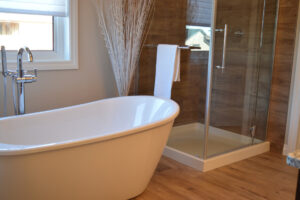
Bathrooms should be designed for safety and ease of use.
Key modifications:
- Install grab bars near toilets and showers
- Ensure easy access to frequently used items
- Use walk-in showers if possible
- Adjust storage height to avoid bending
👉 “If installing permanent grab bars isn’t possible, suction or clamp-on options can be a practical alternative.
👉 Moen Grab Bars: Textured grip for dependable support. 🪜 Handrail Grab Bar Combo: Extra stability for stairs or steps.
👉 For recommended tools:
Helpful Products for an Arthritis-Friendly Home
🍳 Make the Kitchen Easier to Navigate

Small layout changes can reduce strain significantly.
Helpful changes:
- Store frequently used items at waist height
- Use pull-out shelves
- Keep heavy items within easy reach
- Create clear workspace areas
👉 If reorganizing cabinets is difficult, pull-out organizers and rotating trays can make items easier to access without bending or reaching.
👉 Browse kitchen accessibility tools → 🧂 Joseph Joseph Pull-Out Organizer: Easy access to pans and spices.
👉 For kitchen tools:
Must-Have Kitchen Tools for Arthritis Relief
🛏️ Improve Bedroom Accessibility
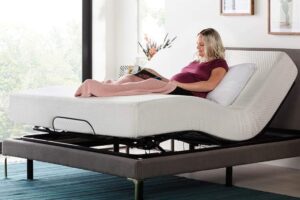
Your bedroom should support easy movement and restful sleep.
Consider:
- Bed height adjustments
- Clear walking paths
- Accessible bedside storage
- Easy access to lighting
👉 If adjusting bed height isn’t possible, bed rails or support handles can make getting in and out of bed much easier.
👉 See support options → Bed Assist Rails Easy to Install.
👉 For product solutions:
Best Adjustable Beds for Arthritis Pain Relief
🚪 Upgrade Doors, Handles & Controls
Small hardware changes can make a big difference.
Simple upgrades:
- Replace knobs with lever handles
- Use touch or voice-controlled lighting
- Install easy-to-use switches
👉 If replacing door hardware isn’t an option, add-on lever adapters can make standard knobs much easier to use.
👉 View simple upgrade tools →🚪 Franklin Brass Lever Handles: Smooth, easy-turn design for limited grip strength.
🧠 Plan for Long-Term Comfort & Independence
Even small modifications can prevent bigger problems later.
Focus on:
✔ Reducing strain
✔ Improving stability
✔ Simplifying daily routines
👉 If making multiple changes feels overwhelming, starting with a few simple tools can provide immediate relief while you plan larger improvements.
👉 Explore helpful arthritis tools → Daily Living Aids – practical tools help reduce joint strain, improve independence, and support comfort
👉 For full mobility support:
Best Mobility Aids for Arthritis
🧠 Room-by-Room Planning Strategy
Instead of changing everything at once, focus on the areas you use most:
- Bathroom → highest priority for safety
- Bedroom → improves recovery and sleep
- Kitchen → reduces daily strain
- Entryways → prevents trips and falls
👉 Start with one room, then expand gradually.
Frequently Asked Questions
What is the most important room to modify for arthritis safety?
The bathroom is typically the highest-priority area. Slippery surfaces, awkward movements, and tight spaces increase fall risk. Adding grab bars, non-slip mats, and a shower chair often provides the greatest immediate safety improvement.
Do I need expensive renovations to make my home arthritis-friendly?
No. Many of the most effective modifications are low-cost and simple to install. Lever handles, better lighting, non-slip mats, furniture height adjustments, and storage changes can significantly improve comfort without remodeling.
How do lever handles help people with arthritis?
Lever-style handles reduce the need for tight gripping and twisting, which can be painful with hand stiffness or reduced grip strength. They allow doors and faucets to be operated using the palm, wrist, or forearm.
Which home upgrades help reduce joint strain the most?
Upgrades that minimize bending, reaching, and forceful gripping tend to provide the greatest relief. Examples include pull-out shelves, ergonomic hardware, raised seating, grab bars, and easy-access storage layouts.
Can home modifications really help prevent arthritis-related falls?
Yes. Improving lighting, removing trip hazards, adding grab bars, and using slip-resistant surfaces can meaningfully reduce fall risk. These changes are commonly recommended by occupational therapists and mobility specialists.
🎯 Final Thoughts
Creating an arthritis-friendly home doesn’t require major renovations.
Start with small, practical improvements—these often deliver the biggest results.
👉 Start with:
- Grab bars
- Easy-grip tools
- Better lighting
👉 Then expand based on your needs.
👉 For tools that make these changes easier:
See our guide to helpful arthritis-friendly home products