

*This post may contain affiliate links, from which we may earn a small commission at no extra cost to you.*
Living with arthritis doesn’t mean giving up creativity. In fact, creative hobbies can be some of the most soothing, adaptable, and emotionally rewarding activities for people managing joint pain, stiffness, or fatigue.
This guide focuses specifically on creative, low-impact hobbies that encourage gentle movement, relaxation, and self-expression—without placing unnecessary strain on your joints.
👉 For a complete overview of all arthritis-friendly hobbies (creative, outdoor, and low-movement), see:
Fun Hobbies for Healthy Joints: Activities to Ease Arthritis
Why Creative Hobbies Work Well for Arthritis
Creative activities combine light physical movement with mental focus, which can be especially helpful when pain or stress is present.
Benefits include:
- Gentle hand and arm movement without high impact
- Reduced stress and muscle tension
- Improved mood and emotional well-being
- A sense of purpose and accomplishment
Unlike structured exercise, creative hobbies can be paused, modified, or shortened easily, making them ideal on low-energy or flare-up days.
🎨 Painting, Drawing & Coloring

Art is one of the most flexible hobbies for people with arthritis. Whether you enjoy painting, sketching, or adult coloring books, these activities allow you to move at your own pace.
Joint-friendly tips:
- Use thick-handled or foam-grip brushes and pencils
- Work on smaller surfaces to reduce arm fatigue
- Try digital drawing or coloring apps with a stylus
- Take short breaks every 20–30 minutes
Creative expression can help shift focus away from discomfort and into a calmer, more mindful state.
🧶 Knitting, Crocheting & Yarn Crafts
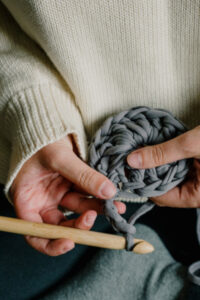
Yarn-based crafts offer rhythmic, repetitive motions that gently stretch and engage the hands.
To keep it comfortable:
- Choose ergonomic hooks or needles with soft grips
- Use chunky yarn that’s easier to hold
- Work in short sessions to avoid hand fatigue
- Stretch fingers and wrists between rounds
For some people, loom knitting or finger knitting may feel more comfortable than traditional methods.
✏️ Writing, Journaling & Storytelling

Writing can be both creative and therapeutic—especially when physical energy is limited.
Helpful adaptations:
- Use ergonomic pens or pencils
- Try voice-to-text apps or dictation software
- Keep writing sessions short and relaxed
Journaling, poetry, or storytelling can help process emotions, reduce stress, and maintain mental clarity.
📸 Photography: Creativity Without Strain

Photography encourages creativity and gentle movement without requiring sustained hand effort.
Arthritis-friendly ideas:
- Use a smartphone instead of a heavy camera
- Add a tripod or phone stand to reduce wrist strain
- Try voice-activated camera features
- Sit or rest between shots when outdoors
Photography also pairs well with short walks, gardening, or nature observation.
🎵 Music & Creative Sound

Music can be enjoyed actively or passively—both options are valuable.
Low-strain options include:
- Singing or humming
- Playing soft-touch keyboards or digital instruments
- Using music apps to create sounds without physical effort
Music supports relaxation, emotional expression, and gentle coordination.
🧩 Coloring, Puzzles & Creative Play

Simple creative play can be surprisingly effective for relaxation.
Tips for comfort:
- Choose coloring tools with soft grips
- Use large-piece puzzles instead of standard ones
- Keep sessions brief to avoid hand fatigue
Digital puzzle and coloring apps are also excellent low-effort alternatives.
Helpful Reminders for Creative Comfort
No matter which hobby you choose:
- Stop before pain increases
- Take frequent breaks
- Use supportive tools when needed
- Adjust your setup for posture and comfort
- Focus on enjoyment, not output
Creative hobbies should feel restorative—not demanding.
Need Tools That Make Creative Hobbies Easier?
Adaptive tools can significantly reduce strain on hands, wrists, and shoulders.
👉 Explore supportive options here:
Arthritis-Friendly Hobby Tools: Enjoy Crafts, Art & Leisure Without Pain
Final Thoughts: Creativity Still Belongs in Your Life
Arthritis may require adjustments—but it doesn’t remove your ability to create, express, or enjoy meaningful hobbies. With gentle pacing and thoughtful adaptations, creative activities can remain a powerful source of relaxation, confidence, and joy.
Creativity isn’t about perfection—it’s about comfort, expression, and connection.
Related Reading
- Fun Hobbies for Healthy Joints: Activities to Ease Arthritis
- 12 Arthritis-Friendly Hobbies: A Quick Comparison Guide
- Arthritis-Friendly Hobby Tools: Enjoy Crafts, Art & Leisure Without Pain