
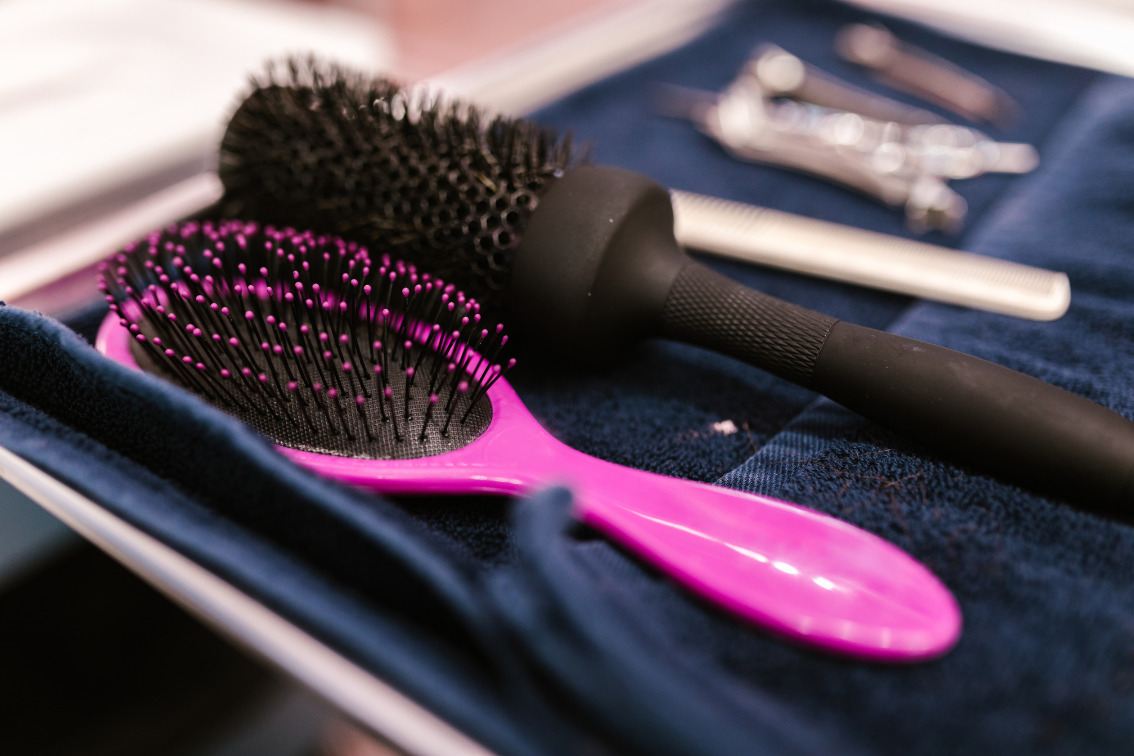
Living with arthritis can turn simple self-care tasks — brushing your teeth, styling your hair, trimming your nails, shaving — into daily challenges. Stiff, painful joints in the hands, wrists, and fingers make gripping, squeezing, and fine motor movements harder than they used to be.
The good news: with the right adaptive grooming tools, you can simplify your routine, reduce strain, and hold onto your independence. This guide covers practical tool recommendations across oral care, hair care, nail care, shaving, and skin care — plus daily habits that make grooming easier overall.
How We Choose These Recommendations
Our team researches adaptive products by comparing grip design, handle weight, and user reviews from people managing arthritis and other hand mobility conditions. We prioritize tools with ergonomic, non-slip, or low-effort designs and avoid recommending products based on price or brand alone.
Why Grooming Can Be Difficult with Arthritis
Arthritis affects the joints in your hands, wrists, and fingers, making it harder to grip small objects, squeeze bottles, or apply steady pressure. Tasks that once took seconds — brushing your hair, clipping your nails, shaving — can now take extra effort and leave your joints sore afterward.
Adaptive grooming tools are built to reduce that strain. Wider handles, lighter materials, and motorized assistance all shift effort away from your joints, so your daily routine doesn’t have to come at the cost of pain.
Oral Care: Gentle Tools for Healthy Smiles
Gripping a slim toothbrush or squeezing a stiff toothpaste tube can be more frustrating than it sounds when your fingers are stiff or sore.
- Electric toothbrush with an ergonomic handle (e.g., Oral-B Pro 1000): A thick, rubberized grip and soft bristles mean you guide the brush rather than scrub — the motor does the work.
- Toothpaste tube squeezer: A small gadget that takes the pressure off your hands and helps you use every last bit of product.
✅ Pro Tip: Choose an electric toothbrush with a built-in timer and pressure sensor — it keeps your clean thorough without you having to apply extra force.
Hair Care: Easy Styling Without the Strain
Styling your hair shouldn’t feel like a workout. Tools with wider handles and lighter designs cut down on wrist strain and make daily styling smoother.
- Wide-handled hairbrush: A cushioned, non-slip handle reduces strain while detangling.
- Long-handled comb: Useful for limited reach or shoulder mobility — wide teeth glide through hair with less pulling.
- Hands-free hair dryer stand: Holds your dryer steady so you can style with both hands instead of fighting to hold and aim it at once.
✅ Pro Tip: A leave-in detangler or conditioning mist before brushing reduces tugging and the number of strokes you need.
Nail Care: Trim and Shape Without the Struggle
Trimming nails takes precision and hand strength — two things arthritis often limits. Adaptive tools make the process both easier and safer.
- Ergonomic nail clippers (e.g., PETA Easy-Grip Clippers): Oversized, non-slip handles give you better leverage with less squeezing force. Some include built-in magnifiers.
- Electric nail trimmer: A low-effort alternative that gently files nails to a smooth finish without requiring a firm grip.
- Soft-handled nail file: A thick grip handle gives you more control without straining your fingers.
✅ Pro Tip: Trim nails after a warm shower, when they’re softer and easier to cut.
Shaving and Beard Care: Reducing Grip Strain
Shaving requires a steady grip and repetitive small movements — both can be tough on arthritic hands and wrists. A few adaptive swaps can make the process safer and less tiring.
- Electric razor with a wide, contoured grip: Removes the need to apply consistent pressure the way a manual blade does, and reduces nick risk if your grip isn’t fully steady.
- Razor handle extender or grip cuff: Slips over a standard razor handle to thicken it, making it easier to hold without a tight pinch grip.
- Lightweight beard trimmer with ergonomic handle: For beard maintenance, a trimmer that’s light and well-balanced reduces wrist fatigue during longer grooming sessions.
✅ Pro Tip: Shave or trim after a warm shower when hands are looser and facial hair is softer — this means less pressure is needed for a clean result.
Skin and Body Care: Smarter Everyday Solutions
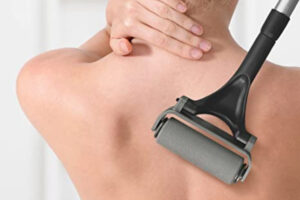
Applying lotion, soap, or shampoo shouldn’t hurt. A few simple product swaps make your routine noticeably more joint-friendly.
- Pump dispensers: Swap squeeze bottles for pump-tops to cut out gripping and squeezing entirely.
- Ergonomic bottles: Look for soft-touch or easy-squeeze packaging when pump versions aren’t available.
- Hands-free soap or lotion dispensers: Motion-sensor dispensers remove gripping from the equation altogether.
✅ Pro Tip: Store grooming and skincare items at waist level to avoid bending or overreaching, which can strain hips, shoulders, and lower back too.
Comparison: Best Grooming Tools for Arthritis
| Tool | Best For | Key Features | Example |
|---|---|---|---|
| Electric Toothbrush | Oral care | Thick grip, soft bristles, built-in timer | Oral-B Pro 1000 |
| Toothpaste Squeezer | Oral care | Minimal effort, easy leverage | Toothpaste Key Turner |
| Wide-Handled Hairbrush | Hair care | Cushioned grip, lightweight | Conair Gel Grip Brush |
| Long-Handled Comb | Hair care | Wide teeth, extended reach | Good Grips Comb |
| Ergonomic Nail Clippers | Nail care | Oversized handle, non-slip | PETA Easy-Grip Clippers |
| Electric Nail Trimmer | Nail care | Gentle filing, no pressure | Beurer Electric Nail File |
| Electric Razor | Shaving | Wide grip, low pressure needed | Braun Electric Razor |
| Razor Grip Extender | Shaving | Thickens handle, easier hold | Razor Handle Extender |
| Pump Dispensers | Skin care | No squeezing, easy pump | Aveeno Pump Lotion |
| Hands-Free Dispenser | Skin care | Touch-free, motion-activated | Simplehuman Sensor Pump |
Quick Daily Grooming Tips for Arthritis Relief
- Groom after a warm shower, when joints are more flexible.
- Use non-slip mats or grips at the sink for stability.
- Keep duplicate grooming kits in the bathroom and bedroom to avoid extra trips.
- Break grooming into short sessions rather than doing everything at once.
Build a Grooming Kit That Works for You
Everyone’s arthritis symptoms are different. Start with one or two tools that solve your biggest daily challenge, then build out your kit from there. For personalized advice, talk with your doctor or an occupational therapist about which grooming aids fit your specific needs.
Frequently Asked Questions
What is the easiest toothbrush to use with arthritic hands?
An electric toothbrush with a thick, rubberized handle is generally easiest, since it removes the need to scrub and only requires you to guide the brush gently.
How can I make shaving easier with arthritis?
An electric razor with a wide, contoured grip or a grip extender on a manual razor handle can both reduce the squeezing and steadying force shaving normally requires.
Are pump dispensers really easier than squeeze bottles?
Yes — pump tops require a light, single-direction press rather than a sustained squeeze, which puts much less strain on arthritic fingers and thumbs.
Do I need an occupational therapist to build a grooming kit?
Not necessarily, but an OT can offer recommendations tailored to your specific joints and symptom severity, especially if your arthritis affects daily tasks beyond grooming.
Final Thoughts: Confidence Through Comfort
Self-care doesn’t have to be a daily struggle. With the right arthritis-friendly grooming tools, you can maintain your routine with less pain and more independence — and small adjustments often make a bigger difference than expected.
Related Reading
- Dressing with Ease: Tips for an Arthritis-Friendly Wardrobe
- Effective Self-Massage Techniques for Arthritis Pain Relief
- Best Arthritis Tools for Daily Living (2026 Guide)